From palace to museum
Paris, France — Art museum.
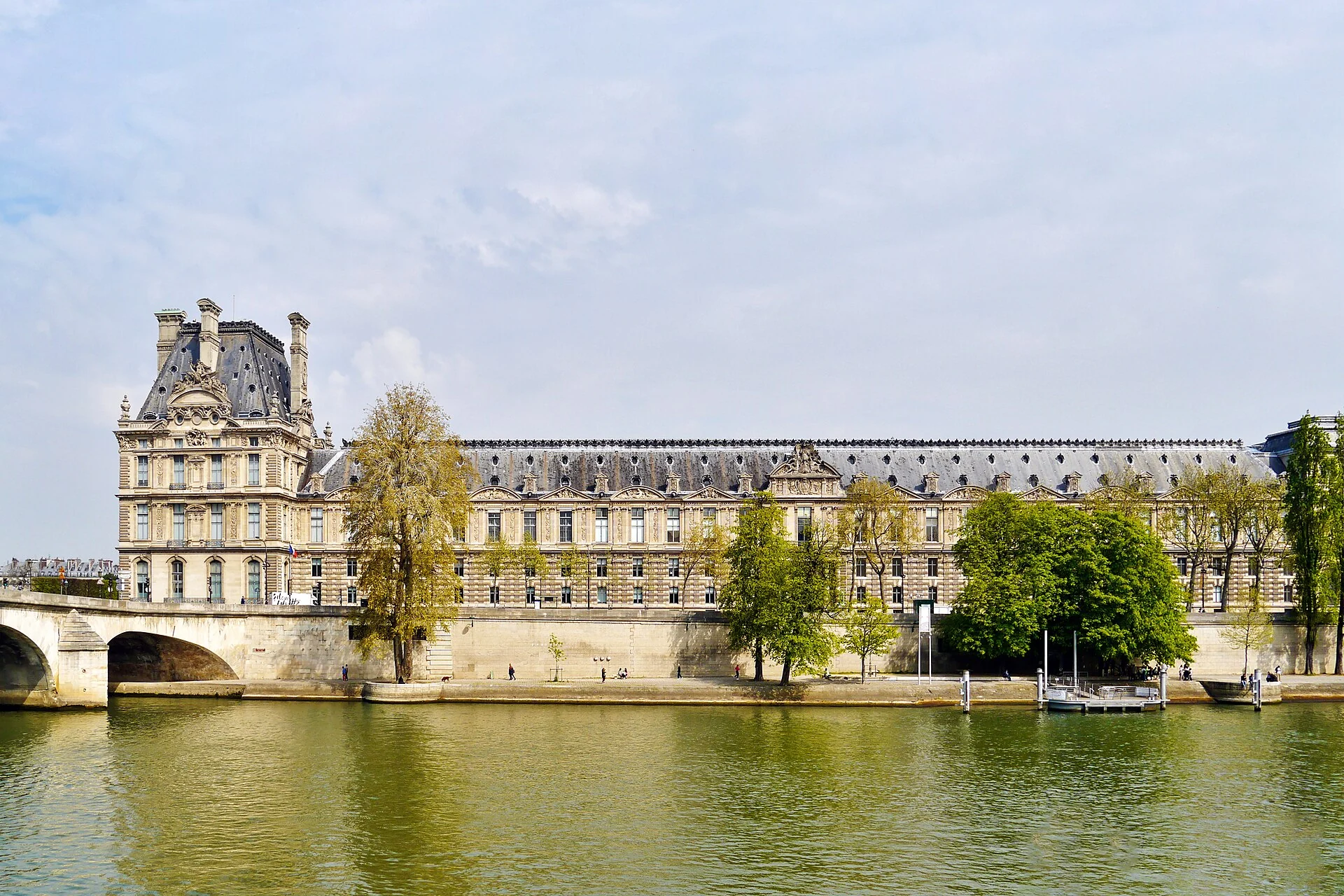
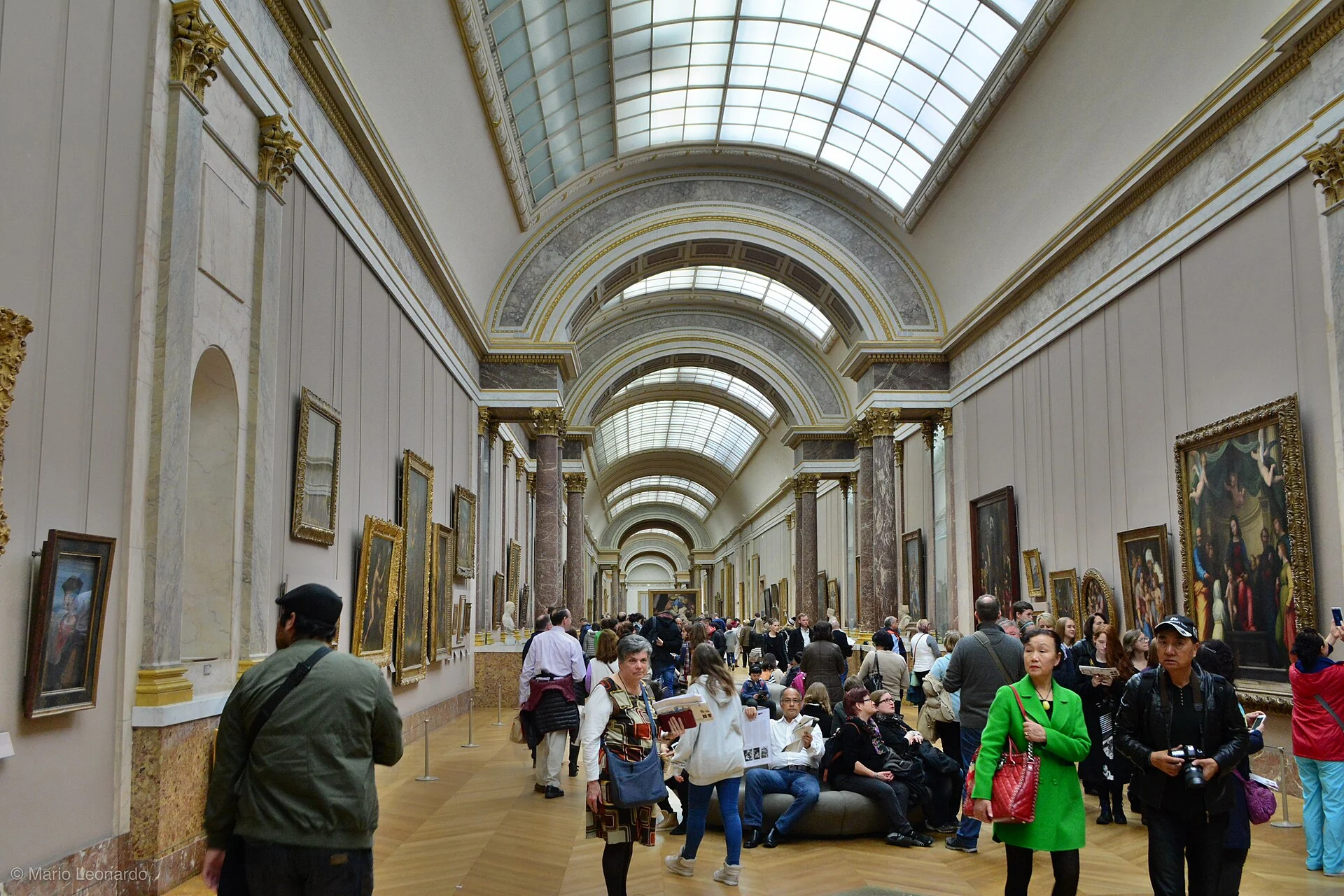
What makes the Louvre worth a day is not only a handful of famous paintings but the building's three lives stacked in one place: a medieval fortress, a French royal palace, then a museum opened to the public. Walk from the old walls underground up into the glass-roofed Grande Galerie and you read those layers within a single visit, which gives the paintings a second frame.
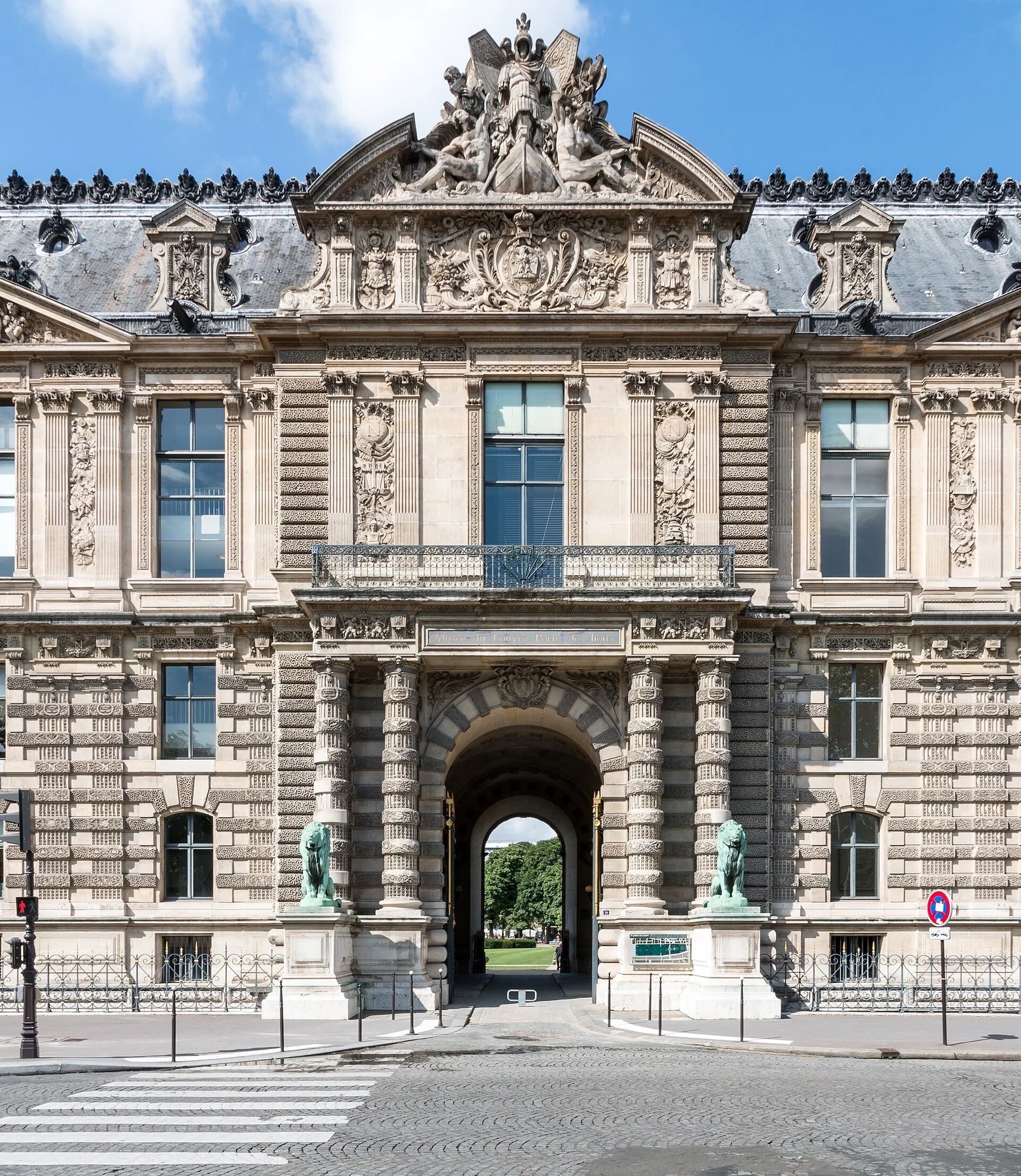
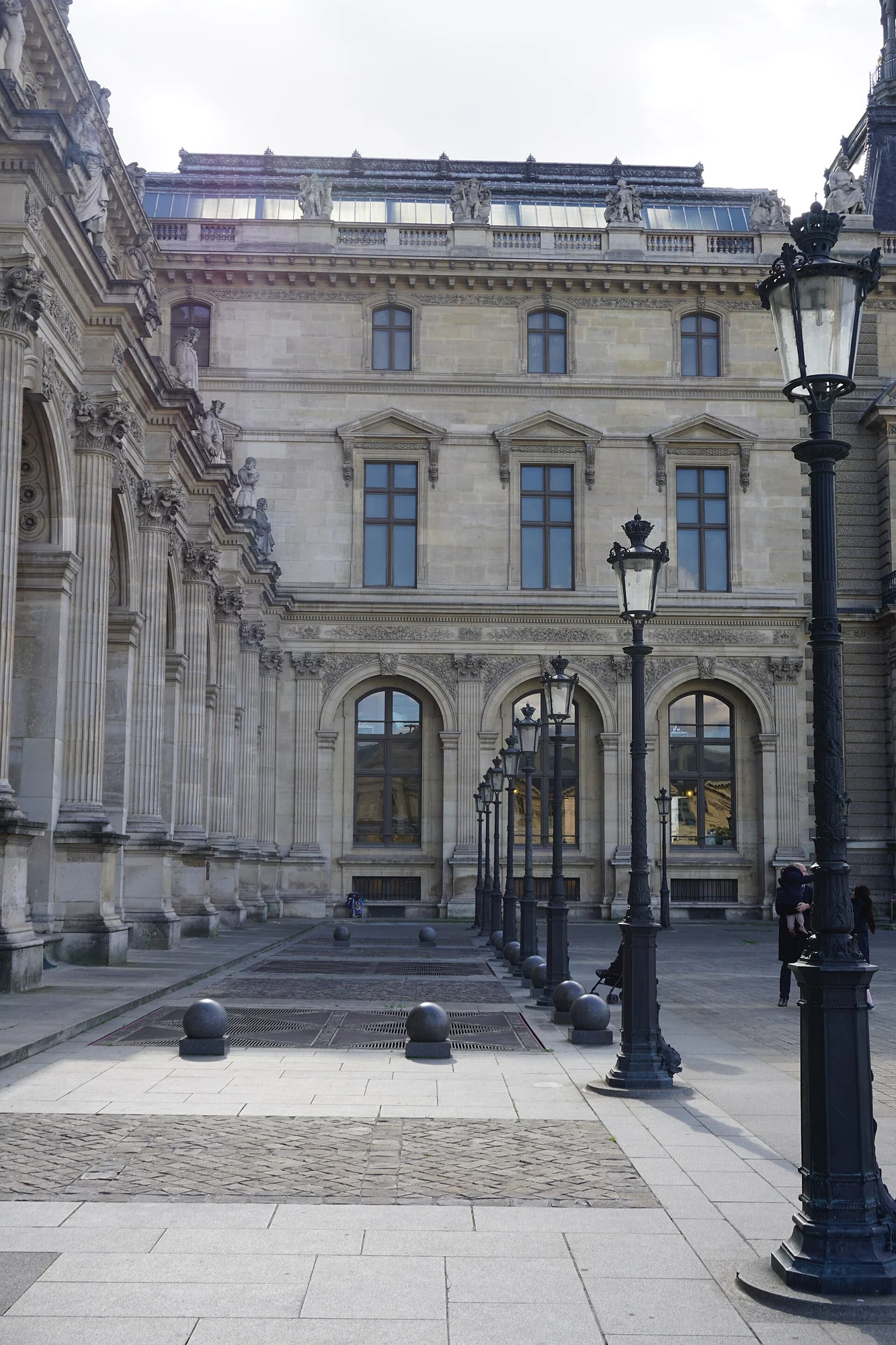
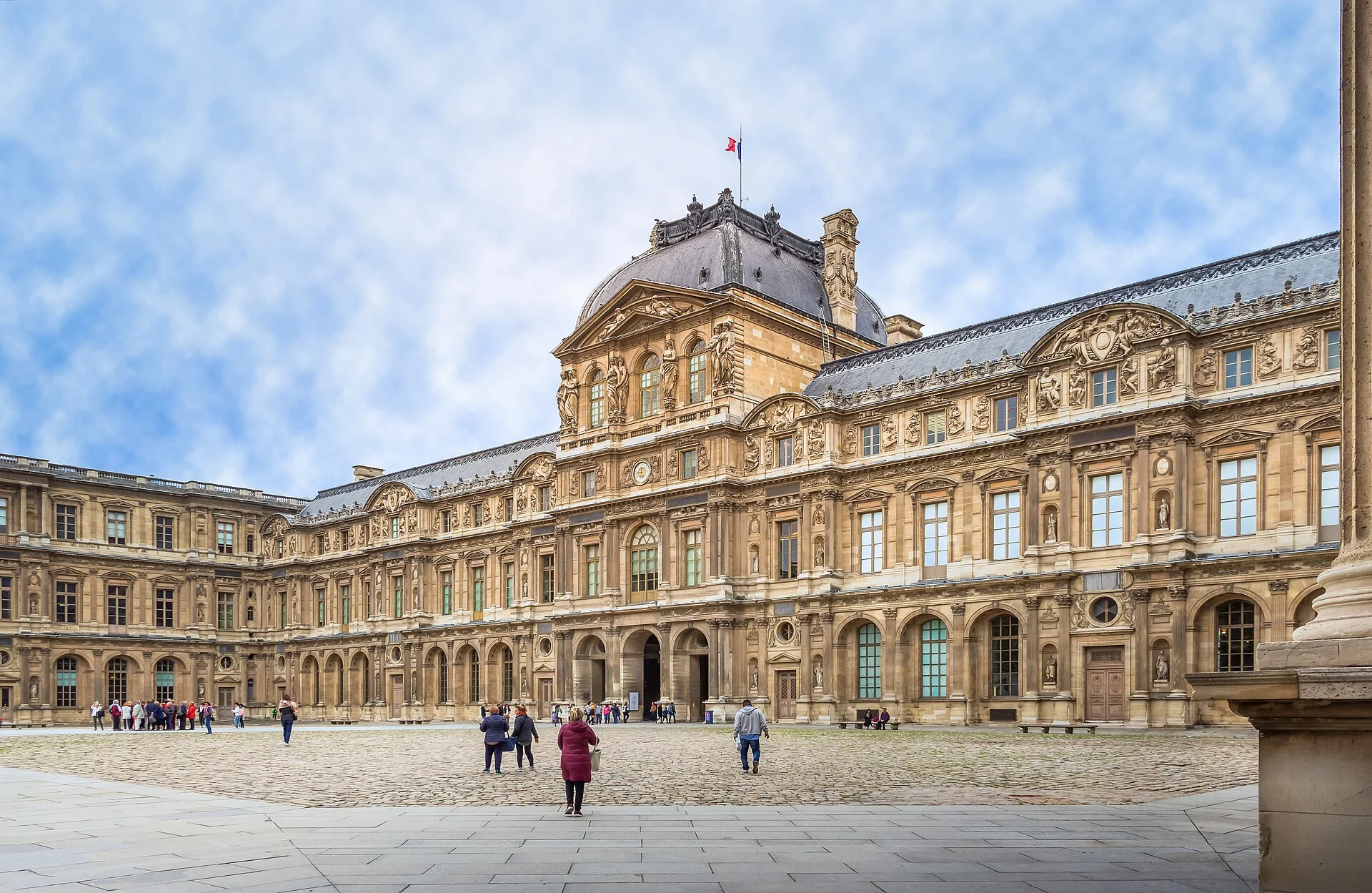
The stone is warm yellow, storey after storey of windows and cornices, and you can count the levels wherever you walk. Under the colonnade there is shadow; people keep to the foot of the wall, their footsteps caught by the vault. Step into the inner court and the four sides are identical windows, leaving only paving and a few black iron lamp posts. Such a place suits slow movement — one layer, then the next.
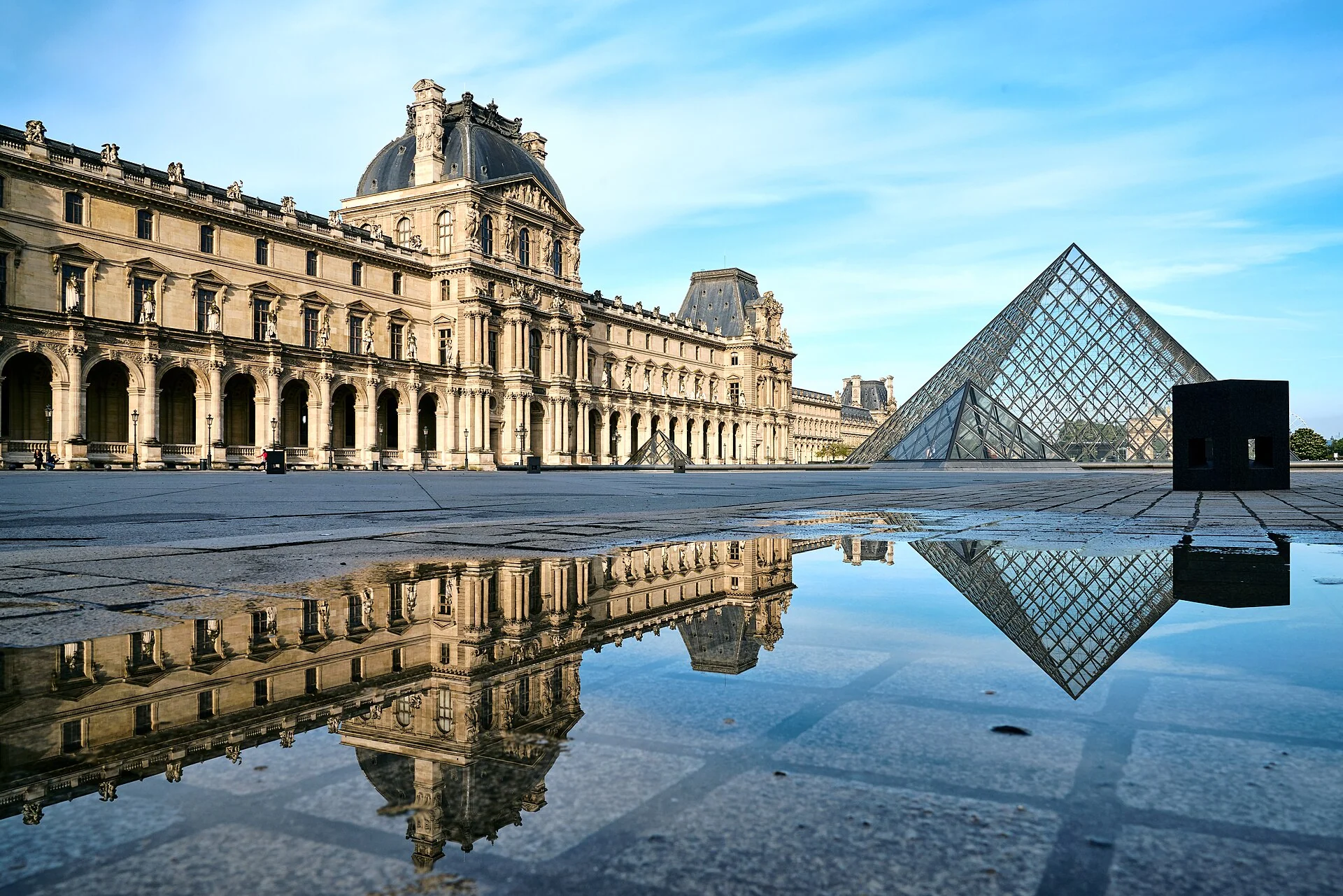
The glass spire cuts the sky into pieces, the steel frame so thin it almost disappears. Wind ruffles the pool's surface a little and the reflection scatters, then closes again. Some crouch at the pool's edge to photograph; others walk straight down from the far end of the square. The longer you stand, the less you can tell whether old stone is pressing on new glass, or new glass is holding old stone up.